
Before the Work Becomes Visible
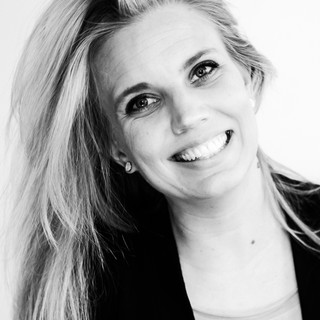

Before every photoshoot, I take a moment to become quiet.
Sometimes it is a short meditation. Sometimes I simply pause and visualize what I hope we will create — something that feels right for the person in front of my camera and something I can be proud of, too.
This small ritual is invisible to the client. So are many of the things that happen before a photograph is made.
The checking and rechecking of equipment. Making sure everything is charged, functioning and packed. Thinking through the setting, the light and the possible problems. Wondering whether I have forgotten something—and knowing that, however carefully I prepare, something unexpected will probably happen anyway.

I am still nervous before every shoot.
Over time, I have learned that the aim is not to eliminate those nerves. It is to arrive calm and focused enough that they do not take over. When I feel grounded, my creativity has space to move. I can respond to the person, adjust when something changes and enjoy what we are creating together.
That is usually when the best work happens.
What a finished photograph does not show
When we see a finished portrait, it can appear effortless. We do not see the conversations, preparations, uncertainty, discarded possibilities or small decisions behind it.
We also do not always see how much listening can be required.

There have been times when a technically beautiful photograph was not experienced as beautiful by the person in it. Changing the surroundings or trying again could not automatically resolve that. I had to listen beyond the first response and understand that sometimes the difficulty is not the photograph itself. An image can bring us face to face with something we find hard to accept about ourselves.
That taught me that photography is not only about producing a beautiful picture. It is also about trying to understand what the person needs to recognize in that picture.
Not every problem can be solved by better lighting, a different pose or a more beautiful location. Sometimes the invisible work is patience. Sometimes it is asking another question. Sometimes it is knowing how far to keep trying while remaining honest about what photography can — and cannot — change.
Progress rarely looks impressive while it is happening
This is also true when I am building something new.
Some ideas take a few days to develop. Others need months or even years. Because I am building my photography work alongside my other job, I often have several things moving at the same time. Progress can become divided into such small pieces that it is difficult to see.
An ordinary day might contain only one decision, one paragraph, one adjustment or one small step forward. From inside the process, it may feel as though very little has happened.
I usually recognize the progress later.

It becomes visible when the first project is finished and the idea finally comes alive. When I look back, what I have achieved often appears much bigger than it felt while I was doing it.
Perhaps that is because we imagine progress as a clear forward movement. In reality, it is often made from quiet repetition, uncertainty and work that has not yet found its final form.
The part that asks for patience
For me, editing often requires the most energy. It takes time and concentration, while another part of me is already impatient to share the results with the client.
Once I can see the photographs coming together, I want the person to see them too. It cannot happen quickly enough for me — but the work still requires the time it requires.
Then there is the administration around the creative work: necessary, often substantial and not always the most exciting part of being a photographer.
None of this appears in the final portrait. But it is part of what made that portrait possible.
The same may be true of any meaningful new beginning. Much of the work happens before there is anything clear to show for it.
One step at a time
I know the tension of having an idea and wanting to bring it to life immediately. Often, I have many ideas at once. Each one needs attention, but I cannot develop all of them at the same time. That can leave me feeling overwhelmed and impatient with myself.
I am often critical of how much — or how little — I seem to be accomplishing.
But I am learning that creating something meaningful cannot always be rushed. We still need to move, but perhaps we only need to begin with one step. Then another.

If I could speak to someone who is at the beginning of a new chapter and feels they have nothing to show for it yet, I would tell them that the beginning is already inside them.
I would not tell them to hurry.
I would encourage them to begin looking, one step at a time, for what is already there. The experiences that shaped them. The discoveries they made about themselves. Even the cracks and difficult chapters that became part of their beauty — like the golden lines in kintsugi that do not conceal what was broken, but honour its history.
If we were creating their portrait together, that is what I would want us to find: not a manufactured version of a “new person,” but something true that is already beginning to emerge.
The images could then become more than proof of how they looked at one moment. They could remind them of what they have lived through, what they have discovered and what they can carry with them into the future.
Sometimes the visible result comes last.
Before it arrives, there is preparation, doubt, repetition, patience and the quiet courage to continue.
That unseen work is still progress.
And perhaps you do not need to rush it in order for it to be real.


